Best Places to Visit in Switzerland for First-Time Travellers
Planning a client's first Switzerland trip? The top places, scenic train rides, seasons, routes and tips to build a practical first itinerary.
Destination trends · · 17 min read
On this page
- Why Switzerland Is Perfect for First-Time Travellers
- Best Time to Visit Switzerland
- Best Places to Visit in Switzerland
- Best Swiss Experiences for First-Time Visitors
- How Many Days Does Your Client Need in Switzerland?
- How to Travel Around Switzerland
- What to Eat in Switzerland
- Switzerland Travel Tips for First-Time Visitors
- Where Should First-Time Travellers Stay in Switzerland?
- Common Mistakes to Avoid in Switzerland
- A Simple Strategy for Planning a Client’s First Switzerland Trip
- Final Thoughts on the Best Places to Visit in Switzerland
- Frequently Asked Questions
Switzerland is a destination where clients stop and look at the view. Snow-covered mountains rise behind quiet lakes, trains run through green valleys, medieval streets open into busy squares, and small villages look like postcards.
When a client is visiting Switzerland for the first time, though, choosing where to go can be hard. Should the trip start in Zurich? Is Interlaken better than Lucerne? Does the client need Zermatt? And how do you fit mountains, cities, lakes and villages into one trip?
The good news is that Switzerland is easy to travel around. The country is compact and the transport network is efficient, so your client can see several very different sides of it without spending the whole holiday on the road.
This guide covers the best places to visit in Switzerland for first-time travellers: what makes each place special, what to include there, when to go, and how to build a practical itinerary for your client.
Why Switzerland Is Perfect for First-Time Travellers
Switzerland works very well for a client’s first trip to Europe because it offers variety without complicated logistics.
In one day, a client can wake up beside a lake, take a train through the Alps, eat lunch in a mountain village and be back in a modern city by evening. It is like several holidays in one country.
The transport system is another major advantage. Swiss trains are known for their reliability, and many scenic routes are attractions in their own right. Even without a rental car, travellers can reach major cities, mountain resorts and smaller places quite easily.
Each season also gives the country a different character. Summer is good for hiking and lake activities, autumn brings colourful landscapes, winter turns alpine towns into snow destinations, and spring brings flowering valleys and fewer crowds in many places.
Best Time to Visit Switzerland
No single month is right for every client. The best season depends on what your client wants to see and do.
Switzerland in Spring
Spring can be a beautiful time for a Switzerland trip, especially from April. Lower areas turn green, flowers appear, and the landscape comes back to life after winter.
Remember that mountain conditions vary. Some high hiking routes may still have snow, and ski areas can have very different conditions from the towns below.
Switzerland in Summer
June to August is popular for good reason. Hiking trails open, most mountain lifts run, the lakes are inviting, and daylight lasts well into the evening.
The downside: popular places can be busy, especially in the peak summer weeks.
Switzerland in Autumn
September and October are a good choice. Crowds often start to thin, temperatures can be comfortable, and forests and vineyards turn warm autumn colours.
For clients who enjoy photography, scenic walks and a quieter trip, autumn is worth suggesting.
Switzerland in Winter
Winter is the clear choice for skiing, snowboarding, winter hiking and Christmas markets. Places such as Zermatt and St. Moritz are especially popular in the snow.
Clients who don’t ski can still enjoy cable-car trips, snowy villages, fondue and alpine views.
Best Places to Visit in Switzerland
These are the places to put high on the list for a client seeing Switzerland for the first time.
1. Zurich - The Best Starting Point
Zurich is Switzerland’s largest city and one of the easiest entry points for international travellers. It combines a modern city with a historic old town, a waterfront, museums, shopping streets and very good transport connections.
It doesn’t have the mountain scenery most clients picture when they think of Switzerland, and that is exactly why Zurich works well at the start of a trip.
Give your client time to walk through the Old Town, along the Limmat River and beside Lake Zurich, and to visit the city’s cafés and cultural sights.
Sightseeing in Zurich
Start with a walk through the historic centre. The narrow streets and colourful buildings feel very different from Zurich’s modern business districts.
Then head to Lake Zurich. On a sunny day, the waterfront is good for an easy walk or a boat ride.
If the client has extra time, Zurich is also a useful base for day trips to the surrounding areas.
Best for: First arrivals, shopping, museums, food, nightlife and easy connections.
2. Lucerne - Switzerland’s Picture-Perfect City
If Zurich is Switzerland’s modern city side, Lucerne is the postcard view most clients expect.
It sits beside Lake Lucerne with mountains all around. The city is compact, beautiful and easy to explore on foot.
The Chapel Bridge is one of Lucerne’s best-known landmarks. Suggest that your client walks across it slowly instead of only stopping for a photo; the views over the river and the old buildings are part of the visit.
Sightseeing in Lucerne
Include the Old Town and its historic buildings, a walk beside the lake and, if there is time, a boat trip.
Lucerne is also a very good base for mountain excursions. Mount Pilatus and Mount Rigi are among the most popular, with wide views when the weather is clear.
For a first-time client who wants both an attractive city and mountain scenery, Lucerne is hard to beat.
Best for: Couples, families, photographers, sightseeing and first-time visitors.
3. Interlaken - The Adventure Capital
Interlaken sits between Lake Thun and Lake Brienz, with the Bernese Alps rising around it.
The town itself is pleasant, but the main attraction is what surrounds it.
Interlaken is a gateway to some of Switzerland’s best-known alpine places, which makes it one of the most useful bases for first-time travellers.
Activities in Interlaken
Depending on the season, clients can go hiking, paragliding, canyoning or kayaking, or simply enjoy the mountain views.
From Interlaken they can also travel into the Jungfrau region, to places such as Lauterbrunnen, Wengen and Grindelwald.
If your client wants outdoor activities by day and a comfortable town in the evening, put Interlaken near the top of the list.
Best for: Adventure, young travellers, outdoor lovers and mountain excursions.
4. Lauterbrunnen - The Valley of Waterfalls
Lauterbrunnen looks almost unreal in photos.
The village sits in a deep valley between steep cliffs and waterfalls. The landscape feels huge next to the small houses and quiet roads below.
The valley is best when the client slows down. Plan enough time for a walk, not just a quick photo stop, so they can take in the size of the cliffs.
Why Lauterbrunnen Is Worth Visiting
Its biggest strength is the setting. Lauterbrunnen is not about shopping or nightlife. It is about walking through an alpine valley below very high mountains.
It also gives access to nearby mountain villages and hiking areas.
Best for: Nature lovers, photographers, hikers and quiet breaks.
5. Grindelwald - A Mountain Escape
Grindelwald is another top choice in the Jungfrau region. With high peaks, green meadows and alpine scenery all around, it is the classic Swiss mountain village.
It is also well connected to the mountain attractions, so outdoor activities are easy to build into the itinerary.
Activities in Grindelwald
Depending on conditions, clients can hike, take mountain transport, visit viewpoints or simply explore the village.
One of the best-known nearby areas is Grindelwald First, with mountain scenery and a range of outdoor attractions.
Grindelwald suits clients who want to wake up among the mountains, not only visit them on a day trip.
Best for: Hiking, mountain views, families, adventure and alpine scenery.
6. Zermatt - Home of the Matterhorn
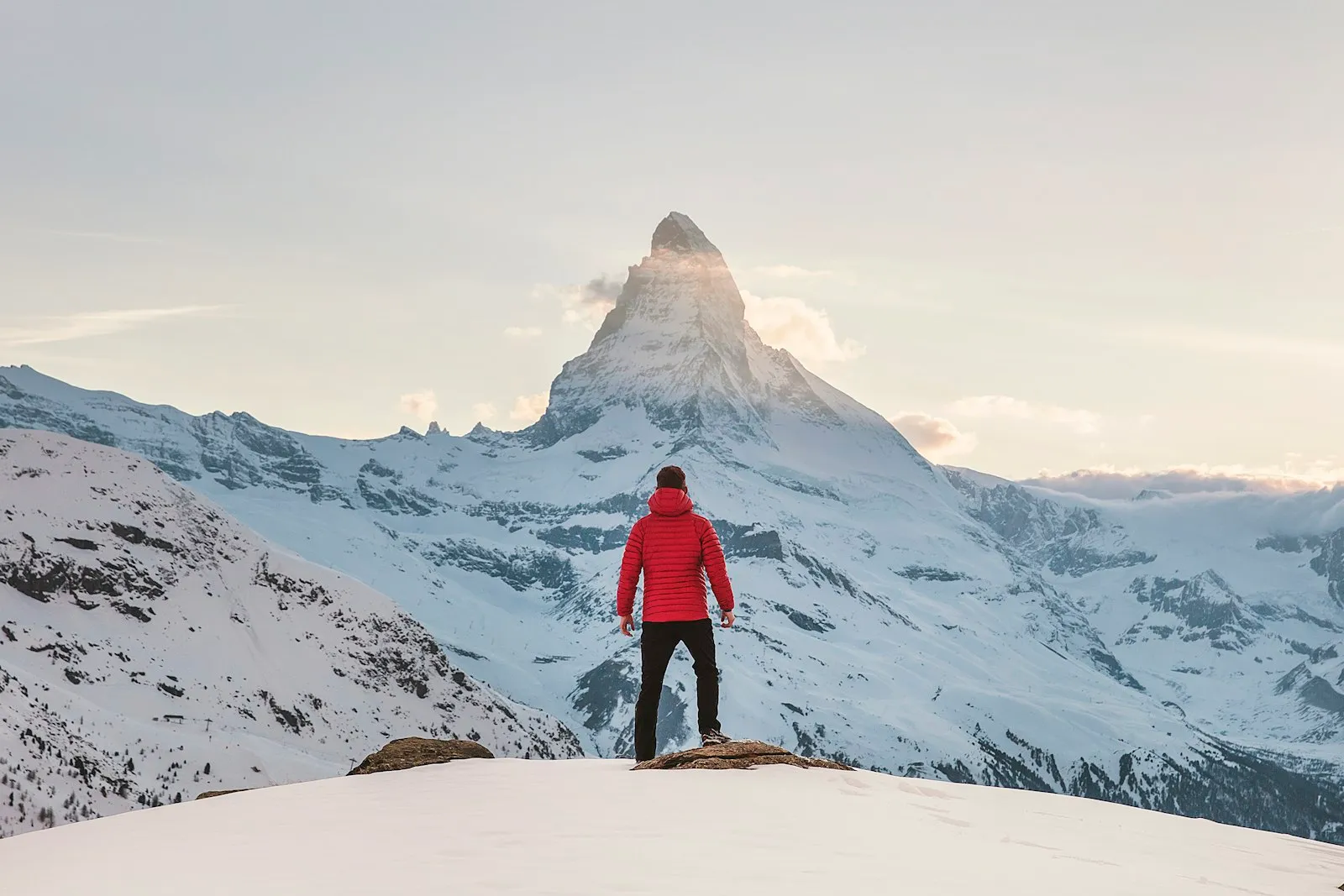
Zermatt is one of the best-known mountain resorts in Switzerland, mainly because of one peak: the Matterhorn.
Its pyramid shape has become an international symbol of Switzerland.
Zermatt itself is an attractive alpine resort, with traditional buildings, hotels, restaurants and streets made for walking.
Sightseeing in Zermatt
Seeing the Matterhorn is the main attraction, but there is more to include.
Clients can visit mountain viewpoints, ride mountain railways or cable cars, hike in the right seasons, or do winter sports.
Weather matters a great deal in Zermatt. Clouds can hide the Matterhorn completely, so if seeing it is a main goal for your client, plan enough time there instead of one short visit.
Best for: Famous scenery, skiing, hiking, luxury travel and photographers.
7. Bern - Switzerland’s Charming Capital
Bern is often left out because travellers rush to the Alps. That is a mistake.
Switzerland’s capital has a medieval centre, distinctive architecture, fountains, covered arcades and a relaxed pace that make it a good stop for a day or two.
The historic centre is best seen on foot.
Highlights of Bern
Include a walk through the Old Town and its arcades, the Federal Palace area and the views over the Aare River.
Bern also suits clients who want more than mountain scenery. Its history and city character are a useful contrast to the alpine resorts.
Best for: History, architecture, culture, relaxed sightseeing and short city stays.
8. Montreux – Lakeside Beauty on Lake Geneva
Montreux offers a very different side of Switzerland.
It sits beside Lake Geneva, with mountains and vineyards around it. The landscape feels softer and more Mediterranean than the high Alps.
The lakeside promenade is one of the best places for a slow, quiet walk.
What to See in Montreux
Include a walk along the waterfront, the lake and mountain views, and nearby Chillon Castle.
Montreux is also known for its music culture and its annual jazz festival, which can interest clients who like events and entertainment.
Best for: Lakeside relaxation, wine regions, culture, couples and scenic walks.
9. Geneva - International City With a Lakeside Setting
Geneva is one of Switzerland’s best-known cities. It sits at the south-western end of Lake Geneva.
It is an international, multicultural city with a strong diplomatic and cultural presence.
It doesn’t have the alpine feel of Zermatt or Interlaken, but it gives clients an interesting city stay.
Sightseeing in Geneva
Include a walk along the lake, the Jet d’Eau, the Old Town, and the city’s restaurants and museums.
Geneva is also a practical choice when the Switzerland trip connects with France or other parts of Europe.
Best for: International travellers, museums, city breaks, shopping and lake views.
10. St. Moritz - Luxury and Alpine Scenery
St. Moritz is known for upmarket alpine travel. It is in the Engadin valley and combines mountain landscapes with luxury hotels, restaurants, shopping and winter sports.
The scenery is beautiful in every season, although winter is what made the resort famous.
When to Visit St. Moritz
Winter is ideal for clients who want skiing and snow activities. Summer and early autumn, however, are very good for hiking, cycling, and the area’s lakes and mountains.
St. Moritz suits clients who want some luxury in their Switzerland holiday.
Best for: Luxury travel, skiing, wellness, fine dining and mountain scenery.
Best Swiss Experiences for First-Time Visitors
The places are only half of the trip. Some of the best moments in Switzerland come from the journeys and activities that connect them.
Take a Scenic Train Ride
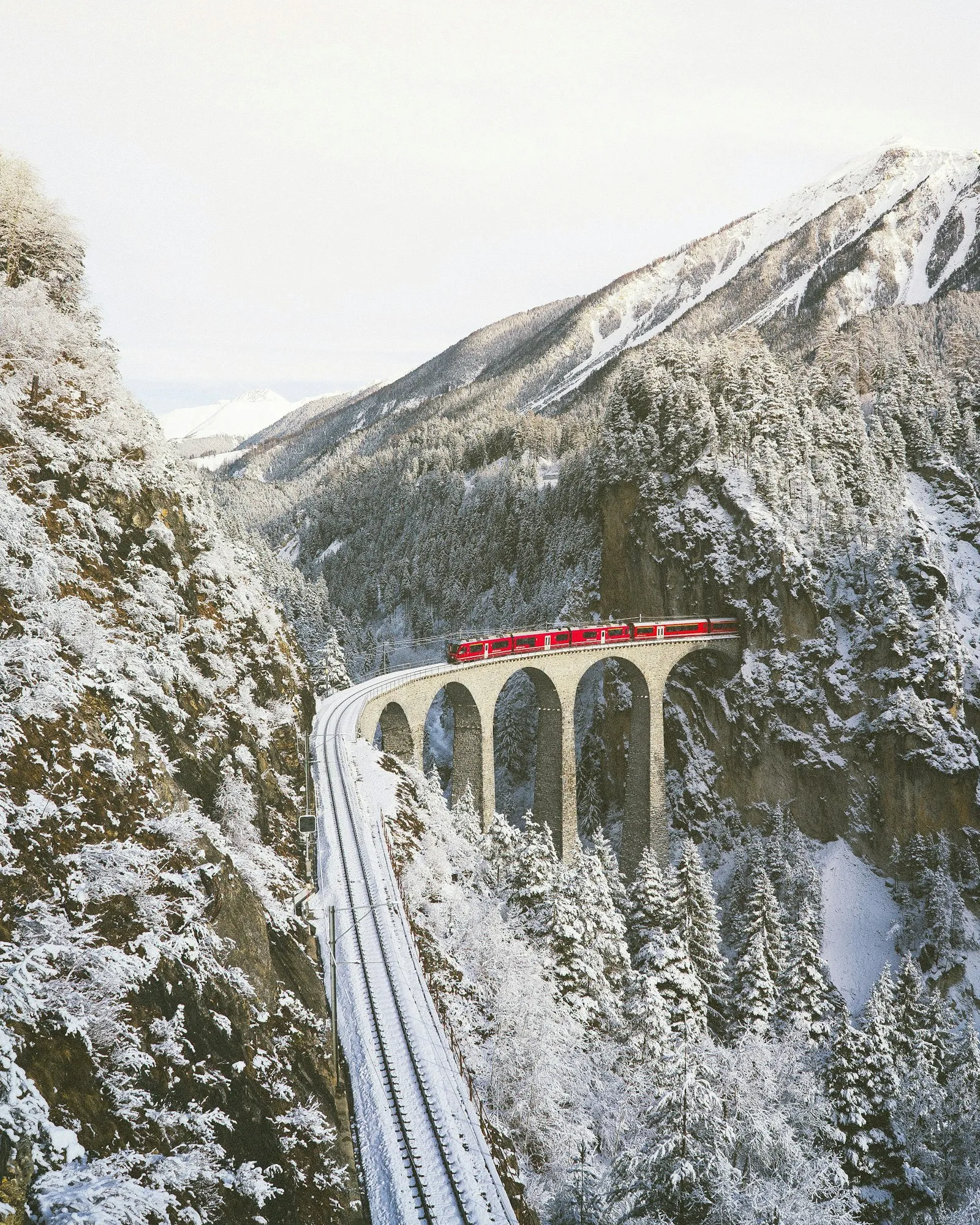
Don’t treat trains only as transport between places. In Switzerland, the journey can be part of the sightseeing.
Large windows, mountain valleys, lakes, forests, bridges and villages can turn an ordinary transfer into one of the highlights of the holiday.
Visit the Alps
Even if your client is not a serious hiker, include at least one mountain excursion.
No climbing is needed. Cable cars, mountain railways, viewpoints, restaurants and easy walking trails let almost anyone see the Alps.
Try Traditional Swiss Food
Swiss food is simple and filling.
Fondue is melted cheese with bread. Raclette suits clients who love cheese. Rösti is another classic: grated potatoes cooked until crisp and golden.
And of course, there is Swiss chocolate.
Spend Time Beside a Lake
Switzerland’s lakes deserve more than a quick photo.
Lake Lucerne, Lake Geneva, Lake Zurich, Lake Thun and Lake Brienz each have their own character. A lakeside walk or boat ride gives the client a break after busy sightseeing days.
How Many Days Does Your Client Need in Switzerland?
The right length depends on how fast your client likes to travel. The three routes below, side by side:
| Trip length | Route |
|---|---|
| 4 nights / 5 days | Zurich, Lucerne, Interlaken, then Lauterbrunnen or Grindelwald |
| 6 nights / 7 days | Zurich, Lucerne, the Jungfrau region and Zermatt |
| 9 nights / 10 days | Zurich, Lucerne, Interlaken, Zermatt and the Lake Geneva region |
Switzerland Itinerary for 4 Nights / 5 Days
With only 4 nights / 5 days, keep the route simple.
A practical route could include:
- Zurich
- Lucerne
- Interlaken
- Lauterbrunnen or Grindelwald
Don’t try to fit every major place into the trip. It should feel like an introduction, not a race.
Switzerland Itinerary for 6 Nights / 7 Days
A week gives much more time.
You could combine Zurich, Lucerne, the Jungfrau region and Zermatt, depending on your client’s interests and the train connections.
The key is to choose a few bases instead of changing hotels every night.
Switzerland Itinerary for 9 Nights / 10 Days
This length lets you build a much more balanced trip.
You might combine Zurich, Lucerne, Interlaken, Zermatt and the Lake Geneva region.
It also leaves room to change the plan when the mountain weather changes.
How to Travel Around Switzerland
Trains and Public Transport
For most first-time clients, public transport is the easiest option.
Swiss trains connect the major places efficiently, and regional buses, boats, mountain railways and cable cars add more options.
Before you price individual tickets, check whether a rail pass or a regional travel option works out cheaper for the itinerary.
Renting a Car in Switzerland
A car can be useful for clients visiting smaller villages, or for those who want full flexibility.
However, driving isn’t needed for many classic first-time routes. Parking can also be difficult or expensive in busy places.
For a trip based around Zurich, Lucerne, Interlaken and Zermatt, public transport is often the simpler choice.
What to Eat in Switzerland
Food is one of the easiest ways for a client to get to know a place. Here is what to suggest.
Fondue
Fondue is probably the Swiss dish most visitors want to try. Melted cheese with bread is a good meal after a cold day in the mountains.
Raclette
Raclette is another cheese dish and a favourite with visitors. The melted cheese is traditionally served with potatoes and pickled vegetables.
Rösti
Rösti is Switzerland’s crispy potato dish. It can be a side dish or part of a larger meal.
Swiss Chocolate
Chocolate in Switzerland needs no special occasion. Suggest that clients try different kinds from supermarkets, chocolatiers and local producers.
Switzerland Travel Tips for First-Time Visitors
Book Mountain Excursions Wisely
Don’t automatically book every mountain activity months in advance.
The weather can change quickly, and on a cloudy day an expensive panoramic excursion may show your client nothing but grey mist.
Where you can, keep some flexibility in the schedule.
Tell Clients to Pack for Changing Weather
Swiss weather can change fast.
A warm afternoon in a valley doesn’t mean the mountain above it will be warm. Tell your client to bring layers, comfortable walking shoes, rain gear and clothes for the season.
Budget for Switzerland’s High Prices
Switzerland is not usually a budget destination.
Hotels, meals, mountain transport and activities add up quickly. Talk about cost with your client early, so there are no surprises.
The trip doesn’t have to cost a fortune, though. Supermarkets, casual restaurants, public transport and well-chosen hotels help control costs.
Stay Flexible With Mountain Plans
This may be the most useful tip in this guide.
If the forecast is poor on the day planned for a mountain, don’t follow the itinerary just because it is written down. Swap activities where you can.
Switzerland rewards flexible travellers.
Where Should First-Time Travellers Stay in Switzerland?
The choice of base can change the whole trip.
For city convenience, Zurich and Geneva are strong choices.
For a mix of history, lake scenery and mountain access, Lucerne is excellent.
If mountains and outdoor activities come first, Interlaken or one of the nearby alpine villages may fit better.
For a classic mountain holiday, choose Zermatt.
The most important rule is simple: don’t choose a hotel only for the cheapest nightly rate. Think about transport, location and how much time your client will spend getting to the places they actually want to see.
Common Mistakes to Avoid in Switzerland
One of the biggest mistakes on a first trip is trying to see too much.
Switzerland looks small on a map, but in the mountains travel times can be longer than expected.
Another mistake is treating every place as the same. Zurich, Lucerne, Interlaken, Zermatt and Montreux each give a very different stay.
Don’t forget the weather, either. A mountain is not like a museum, which looks the same in any conditions.
Finally, don’t underestimate the cost of last-minute plans. A little planning can make a big difference to the budget.
A Simple Strategy for Planning a Client’s First Switzerland Trip
If the list of places feels like too much, use a simple three-part formula.
First, choose one city. Zurich, Lucerne, Bern or Geneva can fill this role.
Second, choose one alpine region. Interlaken, Grindelwald, Lauterbrunnen or Zermatt are all good options.
Third, choose one lakeside or cultural stop. This could be Lake Geneva, Lake Lucerne, Montreux, Bern or another place that fits the route.
This gives your client variety without turning the holiday into a checklist.
Final Thoughts on the Best Places to Visit in Switzerland
The best places to visit in Switzerland for first-time travellers aren’t always the most famous names. A good first trip combines different kinds of places.
Plan time in a beautiful city, a train ride through the Alps, a walk beside a turquoise lake, fondue in a mountain village and a hotel with a mountain view. Then leave time for the client to slow down and enjoy it.
For a classic first trip, Lucerne, Interlaken, Lauterbrunnen, Grindelwald and Zermatt are strong choices for mountains and scenery, while Zurich, Bern, Geneva and Montreux add history, culture, lakes and city life.
And remember: your client doesn’t need to see all of Switzerland in one trip. A trip that tries to cover everything is tiring, and it leaves little time to enjoy each place.
Choose a few places, leave some time unplanned, and let your client travel at a comfortable pace.
MindDMC is an online DMC for travel agents. Describe your client’s Switzerland trip in a chat, with the nights in each place, and get a day-by-day itinerary with hotels, trains, transfers and activities, priced in real time, in about 4–5 minutes. For a rail-focused trip, see Switzerland by rail solo. Get 20 free itineraries, no credit card required.
Frequently Asked Questions
What is the best place to visit in Switzerland for first-time travellers?
Lucerne and Interlaken are two of the strongest choices. Lucerne has a historic centre, a beautiful lake and easy access to the mountains, and Interlaken is a very good base for the Jungfrau region. If your client wants to see the Matterhorn, add Zermatt to the itinerary.
How many days are enough for a Switzerland trip?
A trip of 4 nights / 5 days gives a good introduction, but 6 to 9 nights (7 to 10 days) is more comfortable for first-time visitors. With a week or more, your client can see cities, lakes and the Alps without changing hotels all the time.
What is the most beautiful city in Switzerland?
There is no single answer, but Lucerne is often a favourite with first-time visitors because of its historic buildings, Lake Lucerne and the mountains around it. Bern and Montreux are very different, and just as appealing.
Is Switzerland expensive for tourists?
Yes. Switzerland can be expensive compared with many other European destinations. Hotels, restaurants, mountain excursions and transport can add a lot to the cost of the trip. Planning the route, comparing hotels and using public transport can help keep your client’s costs under control.
What is the best month to visit Switzerland?
It depends on what your client wants. July and August are very good for many summer activities and hiking, and January and February are popular for winter sports. September and October can be quieter, with beautiful autumn scenery. Always check conditions for each mountain destination, because the weather varies a lot with altitude.